


Introduction: Scaling a Competitive Toronto Cosmetic Industry with Digital Marketing and Google ads
The cosmetic and aesthetics industry in Toronto is one of the most competitive service markets in Canada. With hundreds of clinics offering similar services such as Botox, fillers, laser treatments, microneedling, and skin rejuvenation, standing out requires more than just a strong reputation—it requires a powerful digital marketing strategy.
This case study breaks down how a Toronto-based cosmetic skin clinic transformed its client acquisition system using a full-funnel strategy built around Meta Ads (Facebook and Instagram Ads), Google Ads, social media marketing (SMM), and landing page optimization.
As a digital marketing agency specializing in SMM, website design, Google Ads, and Meta Ads, the goal was simple:
- Increase booked consultations
- Reduce cost per lead
- Build a predictable client acquisition system
- Improve brand visibility across Toronto
- Scale paid advertising profitably
Within a structured campaign system, the clinic moved from inconsistent monthly bookings to a steady and scalable flow of qualified leads.
Client Background: Toronto Cosmetic Skin Clinic
The client is a mid-sized cosmetic skin clinic located in Toronto, offering high-demand aesthetic treatments including:
- Botox and dermal fillers
- Laser skin resurfacing
- Acne treatment programs
- Skin tightening procedures
- Anti-aging consultations
Despite having strong service quality and experienced practitioners, the clinic faced several challenges common in the cosmetic industry:
Main Challenges Before Working With Our Digital Marketing Agency
- Unstable lead generation
- Some weeks had bookings, others were completely empty
- High dependency on referrals
- Word-of-mouth was the main source of clients
- Poor online visibility
- Limited presence on Google search results
- Low-performing website
- Website was not optimized for conversions or mobile users
- Ineffective previous ad campaigns
- Previous Meta Ads campaigns had high cost per lead and low-quality inquiries
- No structured funnel system
- Traffic was not being converted into booked appointments
The clinic needed a complete digital marketing system, not just ads.
Strategy Overview: Full-Funnel Digital Marketing Approach
To solve these issues, we built a structured strategy combining:
- Meta Ads (Facebook Ads + Instagram Ads)
- Google Ads (Search Campaigns)
- Landing page redesign
- Conversion tracking setup
- Retargeting campaigns
- Social media marketing (SMM) content strategy
The focus keyword strategy included:
- digital marketing agency Toronto
- social media marketing for clinics
- Meta Ads for cosmetic clinics
- Google Ads lead generation Toronto
- aesthetic clinic marketing strategy
- PPC advertising for beauty clinics
- lead generation for cosmetic clinics
- website design for clinics
This ensured both paid traffic and organic positioning worked together.
Step 1: Market Research & Audience Targeting
Before launching any campaigns, we conducted deep market research into the Toronto cosmetic industry.
Target Audience Identified
We broke down the ideal customer profiles:
- Women aged 25–55 interested in anti-aging treatments
- Professionals seeking non-surgical aesthetic improvements
- Clients searching for acne or skin correction treatments
- High-income individuals interested in premium cosmetic services
Psychographic Targeting Insights
We discovered key emotional triggers:
- Fear of aging
- Desire for confidence boost
- Social media influence (Instagram appearance culture)
- Interest in quick, non-invasive treatments
This research became the foundation for both Meta Ads and Google Ads targeting strategy.
Step 2: Website Redesign & Conversion Optimization
One of the biggest issues was the clinic’s website.
A website in the cosmetic industry is not just informational—it is a lead generation machine.
Problems with the Original Website
- Slow loading speed
- No clear booking funnel
- Weak call-to-action buttons
- Poor mobile optimization
- No trust-building elements (reviews, before/after, testimonials)
Our Website Optimization Strategy
We redesigned the website focusing on:
1. Conversion-Focused Layout
Every section was built to guide users toward booking a consultation.
2. Strong Call-To-Actions
Buttons such as:
- “Book Your Free Consultation”
- “Check Availability in Toronto”
- “Get Skin Assessment Today”
3. Trust Signals
- Client testimonials
- Before and after results
- Clinic certifications
- Doctor and practitioner profiles
4. Mobile Optimization
Since over 80% of traffic came from mobile ads, mobile UX was prioritized.
5. Landing Page Creation
We built dedicated landing pages for each service:
- Botox landing page
- Laser treatment landing page
- Skin rejuvenation page
Each page was designed specifically for Google Ads and Meta Ads traffic.
Step 3: Meta Ads Strategy (Facebook & Instagram Ads)
Meta Ads became one of the core acquisition channels.
Campaign Structure
We built multiple campaign types:
1. Awareness Campaign
- Targeted Toronto users interested in skincare, beauty, and aesthetics
- Introduced clinic brand and services
2. Lead Generation Campaign
- Used instant forms + landing page traffic
- Offered consultation booking incentives
3. Conversion Campaign
- Focused on users who visited website but didn’t book
Ad Creatives Strategy
We tested multiple creative formats:
- Before/after transformation images
- Video testimonials
- Clinic walkthrough videos
- Educational skincare content
- “Problem-solution” style ads
Meta Ads Targeting
We refined targeting using:
- Toronto and surrounding GTA area
- Interest targeting (skincare, beauty, anti-aging)
- Behavioral targeting (engaged shoppers, beauty content viewers)
- Lookalike audiences from past clients
Results from Meta Ads
Within the first optimization cycle:
- Lower cost per lead by over 40%
- Increased consultation bookings
- Higher engagement rates on video ads
- Improved lead quality significantly
Meta Ads became a strong social media marketing engine (SMM) for the clinic.
Step 4: Google Ads Strategy (High-Intent Lead Generation)

While Meta Ads built awareness, Google Ads captured high-intent clients actively searching for treatments.
Campaign Type: Search Ads
We targeted keywords such as:
- “Botox Toronto clinic”
- “skin clinic near me”
- “laser treatment Toronto”
- “dermal fillers Toronto price”
- “best cosmetic clinic Toronto”
Why Google Ads Worked So Well
Google Ads captured users who already had purchase intent, making it one of the highest ROI channels.
Landing Page Alignment
Each ad was matched with a dedicated landing page to improve:
- Quality Score
- Conversion rate
- Cost per click efficiency
Google Ads Optimization Strategy
We continuously optimized:
- Keyword match types
- Negative keywords (to eliminate irrelevant traffic)
- Ad copy testing
- Location targeting across Toronto GTA
Google Ads Results
After optimization:
- Increased booked consultations from search traffic
- Lower cost per acquisition
- Higher conversion rate compared to previous campaigns
- Strong return on ad spend (ROAS)
Google Ads became the backbone of the clinic’s lead generation system.
Step 5: Retargeting Strategy (Turning Visitors into Clients)
Not every visitor books immediately, especially in cosmetic services where users take time to decide.
So we implemented a strong retargeting system using Meta Ads.
Retargeting Audiences
- Website visitors (last 30 days)
- Landing page viewers
- Instagram and Facebook engagement users
- Video viewers (50%+ watched ads)
Retargeting Ads Messaging
We focused on:
- “Still thinking about your consultation?”
- “Limited appointment slots available in Toronto”
- “See real client transformations”
- “Book your free skin assessment”
Impact of Retargeting
Retargeting significantly improved:
- Conversion rates
- Appointment bookings
- Brand recall
- Lead nurturing process
Step 6: Social Media Marketing (SMM) Strategy
Organic social media played a supporting role in the overall funnel.
Platforms Used
- TikTok (light content testing)
Content Strategy
We built content around:
- Educational skincare tips
- Treatment explanations
- Client transformations
- Behind-the-scenes clinic content
- Myth-busting aesthetic treatments
Purpose of SMM
Social media marketing supported:
- Brand trust building
- Ad conversion rates
- Organic discovery
- Retargeting effectiveness
This is a key strength of any modern digital marketing agency approach.
Step 7: Funnel Optimization & Lead Tracking
We implemented full tracking systems:
- Meta Pixel tracking
- Google Ads conversion tracking
- Form submission tracking
- Call tracking integration
This allowed us to measure:
- Cost per lead
- Cost per booked consultation
- Conversion rate per channel
- ROI per campaign
With data-driven optimization, performance improved month over month.
Final Results: Full Campaign Performance Overview
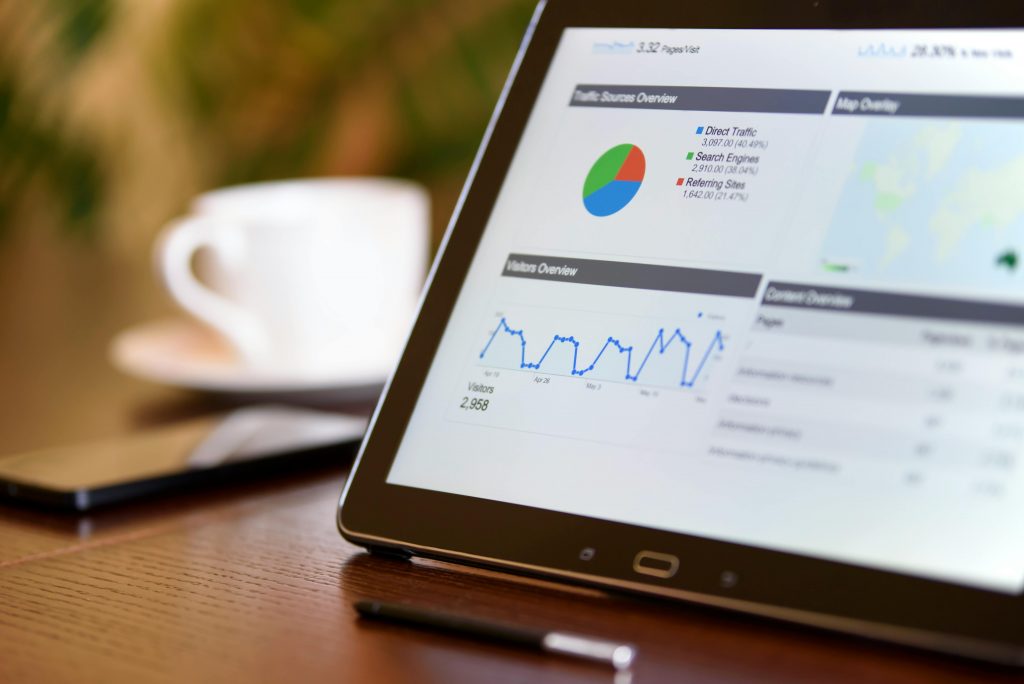
After full implementation of Google Ads, Meta Ads, SMM, and landing page optimization, the Toronto cosmetic clinic experienced:
- Consistent monthly lead flow
- Higher-quality consultation bookings
- Lower cost per acquisition
- Increased brand visibility in Toronto
- Fully predictable client acquisition system
Most importantly, the clinic moved from relying on referrals to having a scalable digital marketing system powered by paid ads and conversion optimization.
Google Ads Strategy for High-Intent Lead Generation in Toronto
While the Meta Ads Toronto campaigns were responsible for building awareness and generating demand, the Google Ads strategy played a completely different but equally important role in the clinic’s growth system. Google Ads was the “high-intent capture engine” that focused on users who were already actively searching for cosmetic treatments in Toronto. These users were not browsing casually; they were already problem-aware and solution-seeking, meaning they were much closer to booking a consultation.
The main objective of the Google Ads strategy was to capture these high-intent searches at the exact moment potential clients were looking for services such as Botox, fillers, laser treatments, or general cosmetic skin consultations. Unlike Meta Ads Toronto campaigns, which rely on interest-based targeting and visual engagement, Google Ads focuses on keyword intent. This means every click coming from Google had a significantly higher likelihood of converting into a booked appointment if the funnel was properly structured.
To begin, we built a full keyword strategy centered around local search intent in Toronto. We targeted high-converting keywords such as “Botox Toronto clinic,” “best cosmetic clinic Toronto,” “laser skin treatment Toronto,” “dermal fillers near me,” “skin rejuvenation Toronto,” and “anti-aging clinic Toronto.” These keywords were selected not just for traffic volume but for buyer intent. Someone searching “Botox Toronto clinic” is already far down the decision-making process compared to someone simply engaging with beauty content on Instagram through Meta Ads Toronto campaigns. This difference in intent allowed Google Ads to function as a direct conversion channel rather than a discovery channel.
Once the keyword list was finalized, we structured the campaigns into tightly themed ad groups. Each ad group focused on a single service category such as Botox, laser treatments, or skin tightening. This structure allowed us to match search queries with highly relevant ad copy and landing pages. For example, someone searching for “laser skin treatment Toronto” would see an ad specifically about laser resurfacing services and be directed to a dedicated landing page focused only on laser treatments. This tight alignment between keyword, ad, and landing page is one of the most important factors in improving Quality Score, lowering cost-per-click, and increasing conversion rates.
The ad copy itself was carefully crafted to maximize both relevance and emotional appeal. Headlines included strong intent-driven messaging such as “Top Cosmetic Clinic in Toronto,” “Book Your Botox Consultation Today,” “Laser Skin Treatments in Toronto,” and “Trusted Aesthetic Clinic Near You.” We also included trust-building elements such as “Licensed Professionals,” “Free Consultation Available,” and “Thousands of Happy Clients in Toronto.” These messaging elements were essential because even though Google Ads captures intent, users still need reassurance before booking a cosmetic procedure. This is where brand trust and conversion psychology become critical.
One of the most important elements of the Google Ads strategy was location targeting. We focused heavily on Toronto and surrounding GTA areas, including North York, Mississauga, Scarborough, and Vaughan. This ensured that the clinic was not wasting budget on irrelevant traffic outside its service area. By narrowing geographic targeting and focusing only on high-value local searches, we were able to improve return on ad spend while reducing wasted impressions.
Another major optimization layer involved negative keywords. In the cosmetic industry, irrelevant searches can quickly drain budget if not controlled properly. We excluded searches such as “free Botox,” “DIY fillers,” “cosmetic course training,” and other non-commercial intent queries. This ensured that the Google Ads budget was fully allocated to users who were actually looking to book services, not just researching or looking for educational content. This level of control is what separates a basic campaign from a high-performance lead generation system.
In addition to keyword and targeting optimization, we built dedicated landing pages for each service advertised through Google Ads. This was a critical part of the strategy. Instead of sending all traffic to a generic homepage, each campaign directed users to a specific conversion-focused landing page. These pages included detailed service descriptions, treatment benefits, pricing transparency where appropriate, testimonials, before-and-after results, and clear call-to-action buttons such as “Book Your Free Consultation in Toronto.” This approach significantly increased conversion rates because users felt that the page directly matched their search intent.
Mobile optimization was also a major focus, as the majority of Google Ads traffic in the cosmetic industry comes from mobile devices. We ensured that landing pages loaded quickly, had simplified navigation, and included easy one-click booking options. This reduced friction in the user journey and increased the likelihood of immediate conversions.
As the campaigns progressed, we continuously optimized performance based on real-time data. We monitored metrics such as click-through rate, cost per click, conversion rate, and cost per acquisition. Underperforming keywords were adjusted or removed, while high-performing keywords were scaled. Ad copy variations were tested to identify which messaging resonated most with Toronto-based users. This ongoing optimization process allowed the Google Ads campaigns to become more efficient over time.
When combined with the Meta Ads Toronto strategy, Google Ads created a powerful dual-channel system. Meta Ads generated demand, built awareness, and kept the clinic top-of-mind through visual engagement, while Google Ads captured users at the exact moment they were ready to book. Together, these two channels formed a complete marketing ecosystem that covered both the discovery phase and the conversion phase of the customer journey.
The results from Google Ads were highly effective. The clinic experienced a steady increase in booked consultations from search traffic, improved lead quality, and a significantly lower cost per acquisition compared to previous marketing efforts. Most importantly, Google Ads provided predictability. Unlike organic marketing or referrals, which fluctuate, Google Ads allowed the clinic to control lead flow based on budget and scaling strategy.
In conclusion, the Google Ads system was not just an additional traffic source—it was a core revenue driver within the overall digital marketing strategy. When integrated with Meta Ads Toronto, landing page optimization, and retargeting campaigns, it created a full-funnel acquisition system that allowed the clinic to scale consistently in one of the most competitive markets in Canada.
Retargeting, Funnel Optimization, and Scaling Results with Meta Ads Toronto
After the initial success of the Meta Ads Toronto campaigns and the strong performance from Google Ads, the next critical phase was scaling profitability through advanced retargeting and full-funnel optimization. In most cosmetic clinic marketing systems, this is the stage where businesses either unlock long-term consistent growth or continue to struggle with inconsistent lead flow. The key difference in this project was the implementation of a structured retargeting system combined with continuous funnel optimization, which ensured that every potential customer was nurtured from the first interaction to the final booking stage.
The reality in the cosmetic industry is that very few users convert on their first interaction. Even if someone clicks on a Meta Ads Toronto campaign or lands on a Google Ads page, they are often in the research phase. They compare clinics, read reviews, look at before-and-after results, and sometimes wait days or weeks before making a decision. Without a retargeting system in place, these warm leads are lost, and the cost of acquisition becomes significantly higher. This is why we built a multi-layered retargeting structure that focused on re-engaging users across Meta platforms while reinforcing brand trust and urgency.
The first layer of retargeting focused on website visitors. Anyone who landed on the clinic’s landing pages from either Meta Ads Toronto campaigns or Google Ads was automatically segmented into a custom audience. These users were then shown follow-up ads designed to bring them back into the funnel. Instead of repeating the same message, retargeting ads were strategically designed with stronger intent-based messaging such as “Still thinking about your consultation?”, “See real client transformations in Toronto,” and “Limited appointments available this week.” This approach worked because it aligned with the psychology of hesitation, which is very common in high-trust services like cosmetic treatments.
The second layer of retargeting focused on engagement-based audiences. This included users who interacted with Instagram posts, watched video content, or clicked on Meta Ads Toronto campaigns but did not complete a booking. These users were considered “warm but undecided,” meaning they already had awareness of the clinic but needed additional reassurance. For this group, we used highly visual retargeting creatives, especially short-form videos showing real client transformations, clinic walkthroughs, and practitioner introductions. This helped build familiarity and trust, which are essential factors in increasing conversion rates in the cosmetic industry.
Another important part of the retargeting strategy was time-based segmentation. We divided audiences into different time windows such as 7-day visitors, 14-day visitors, and 30-day visitors. Each segment received different messaging depending on how long they had been in the funnel. For example, 7-day visitors were shown softer reminder ads focused on education and trust-building, while 30-day visitors were shown stronger urgency-based messaging such as “Last chance to claim your free consultation in Toronto.” This time-based structure ensured that the Meta Ads Toronto system remained relevant regardless of where the user was in their decision-making journey.
At the same time, we implemented funnel optimization across all landing pages. One of the biggest improvements came from simplifying the booking process. Initially, users had to scroll through too much information before finding the booking form, which created friction and reduced conversion rates. We redesigned the landing pages to place booking buttons and consultation forms much higher on the page, especially for mobile users coming from Meta Ads Toronto campaigns. This reduced drop-off rates and significantly improved lead conversion.
We also introduced trust reinforcement elements throughout the funnel. Since cosmetic services require a high level of trust, we strategically placed testimonials, before-and-after images, and practitioner credentials at multiple points across the landing pages. Instead of having these elements only at the bottom, they were integrated into the mid and upper sections of the page. This ensured that users coming from both Google Ads and Meta Ads Toronto campaigns were constantly reassured throughout their journey, reducing hesitation and increasing booking intent.
Another key optimization was improving page speed and mobile responsiveness. A large portion of traffic from Meta Ads Toronto campaigns came from Instagram and Facebook mobile users. If the landing page loads slowly or feels difficult to navigate on mobile, users quickly abandon the page. By optimizing image sizes, reducing unnecessary scripts, and streamlining the design, we significantly improved load times and overall user experience. This had a direct impact on conversion rates and helped maximize the return on ad spend across all campaigns.
As the retargeting system matured, we began to see a compounding effect. Users who initially clicked on a Meta Ads Toronto campaign would often return days later through retargeting ads and complete a booking. Some users required multiple touchpoints before converting, but the system ensured that no lead was wasted. This multi-touch attribution model is especially important in the cosmetic industry, where decision cycles are longer and emotionally driven.
In terms of scaling, once the retargeting campaigns proved profitable, we gradually increased budget allocation toward the highest-performing audiences. This included users who had already visited the website multiple times or engaged with multiple Meta Ads Toronto creatives. By focusing budget on warm audiences instead of cold traffic alone, we were able to increase efficiency while maintaining a stable cost per lead.
Overall, this retargeting and funnel optimization phase transformed the entire campaign structure from a simple ad system into a full conversion ecosystem. Instead of relying only on new traffic, the clinic now had a self-sustaining system that continuously nurtured, educated, and converted leads over time. When combined with Google Ads and the original Meta Ads Toronto strategy, this created a complete end-to-end marketing engine capable of generating predictable bookings and long-term business growth in the highly competitive Toronto cosmetic market.
You have not enough Humanizer words left. Upgrade your Surfer plan.
Key Takeaways
This case study demonstrates how a well-structured digital marketing agency strategy can transform a cosmetic clinic’s growth.
The key success factors were:
- Strong Meta Ads targeting and creatives
- High-intent Google Ads campaigns
- Conversion-focused website design
- Strategic landing pages
- Retargeting campaigns
- Consistent social media marketing (SMM)
When combined, these elements create a powerful lead generation ecosystem for cosmetic clinics in Toronto.
Conclusion
In a competitive market like Toronto, cosmetic clinics cannot rely solely on referrals or organic traffic. Growth requires a structured, data-driven system built on Meta Ads, Google Ads, social media marketing, and conversion optimization.
This case study shows how a clinic can scale sustainably when working with a digital marketing agency that understands lead generation, PPC advertising, and aesthetic industry positioning.



Leave a Reply to Social Media Marketing Cancel reply